How Long Does It Take to Build a Custom Home in Louisiana?
It’s usually the first question I hear. Sometimes it comes up in the first five minutes of a conversation, sometimes after we’ve talked through lots of options and floor plan ideas. But it always comes up. And honestly, it should. If you’re planning to build a custom home on the Northshore, the timeline affects everything else: your lease, your financing, your kids’ school year, the contractor you hire to do the work.
The short answer is 8 to 10 months from the day we break ground to the day you move in. But that number only tells part of the story. Before we ever touch a shovel, there’s a phase most people don’t fully account for: getting your plans finalized, securing permits with the parish, and closing your construction loan. Depending on where you are in the process, that pre-construction period can run anywhere from two months to considerably longer. The good news is, no matter where you are, we can help with all of it.
I’ve been building custom homes on the Northshore for years. What follows is an honest look at how the custom home timeline actually works in St. Tammany Parish, what slows things down, and what you can do right now to keep your build on track.
How Long Does It Take to Build a Custom Home? The Real Answer.
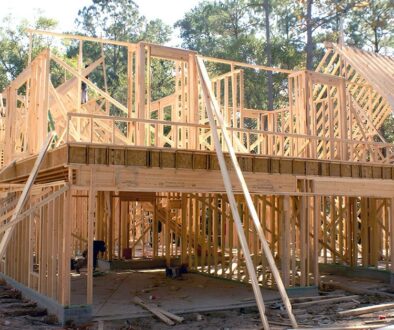
Once we break ground, 8 to 10 months is the realistic custom home timeline for most builds I take on. That’s foundation through framing, rough-ins, insulation, drywall, finishes, punch-list, and final walkthrough.
But here’s the thing most people don’t hear until they’re already in the process: groundbreaking is not day one.
Before we can start building, several things need to be in place. Your architectural plans need to be 100% complete. The engineered drawings for the foundation and framing need to be stamped and submitted. The parish permit needs to be approved and in hand. And, if applicable, your construction loan needs to be closed. The bank requires the signed contract, so the loan is what we are usually waiting on to break ground after we execute the contract.
So a more complete answer looks like this: figure 2 to 4 months for pre-construction, then 8 to 10 months to build. Total time from first serious conversation to move-in day is typically 12 to 14 months.
What Has to Happen Before We Break Ground
This is the phase that catches people off guard. Everyone pictures the build itself. The framing going up, the concrete getting poured, the sheetrock being hung. But before any of that happens, there’s a significant amount of preparation that has to be completed, and most of it is outside a builder’s direct control.
Architectural Plans and Engineered Drawings
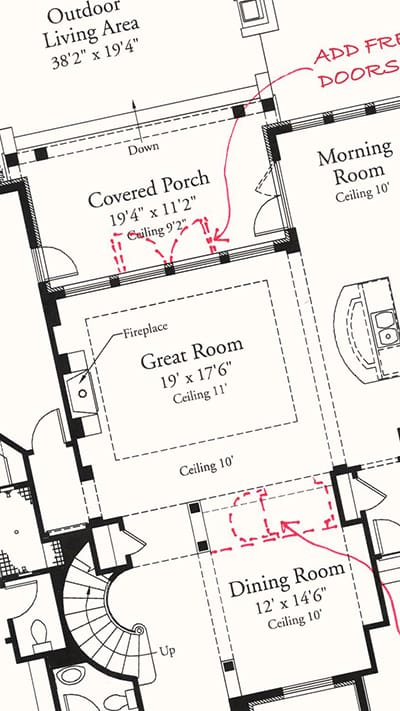
Getting a complete, fully coordinated set of architectural drawings takes longer than most clients expect. This is consistently the part of the custom home timeline that surprises people most. It’s not just floor plans. You need a full architectural drawing set, stamped engineered foundation and wind design, energy compliance documentation, and HVAC load calculations, among other things.
Occasionally, a client will already have a complete set of architectural drawings, and maybe even the structural. But we would still need the HVAC documents, energy compliance forms, and several other things that typically only a contractor can provide.
My strong recommendation: bring your builder into the process before the plans are finalized. I can flag constructability issues, cost implications, and local code requirements early, before they become expensive problems. A detail that looks fine on paper can create real complications in the field if nobody with building experience reviews the drawings first.
Parish Permitting in St. Tammany
Once your drawing package is complete and submitted, St. Tammany Parish permitting typically runs two to three weeks. That’s been pretty consistent over the last couple of years. What holds up the process isn’t usually the parish itself. It’s an incomplete submission.
St. Tammany and most municipalities in the area require a specific set of documents before they’ll issue a permit. Missing any one of them can slow down the entire approval process. Here’s what a complete permit package typically includes:
- Stamped set of architectural drawings
- Stamped engineered foundation and wind design
- Survey of the property
- Site plan
- Tree preservation plan
- Drainage plan
- Cash sale document (proof of ownership of the property)
- FEMA proposed elevation certificate (required if the property is in a flood zone)
- RES Check document (certifies energy code compliance)
- J-load document (HVAC load calculations)
- Culvert application
Whether you’re building in Mandeville, Covington, Madisonville, or unincorporated St. Tammany, the timeline is roughly the same, as long as your package is complete when you submit. Mandeville and Covington each have their own city offices, but turnaround times are comparable. The variable that matters most isn’t which municipality you’re in. It’s how well-prepared your submission is.
Closing Your Construction Loan
Construction financing has its own timeline. Lenders need much of the same documentation the parish does, plus your builder’s license information, a signed contract, and in some cases, a full project budget and draw schedule. If you haven’t started the loan process yet, start it in parallel with your plan development. Waiting until your plans are done to call a lender puts you a month or two behind where you need to be.
The 3 Things That Push a Custom Home Timeline Past the Window
In my experience, the builds that run long almost always come back to one of three things. Not site conditions, not permit delays, not the weather alone. These three.
1. Selections Not Made on Time
This one is the most preventable and the most common. There’s a specific sequence to how a home gets built, and that sequence determines when each selection needs to be locked in. Cabinets have to be ordered before rough-in is complete because the measurements affect where plumbing and electrical rough-ins go. Flooring has to be selected before certain finish work happens. Countertops, lighting, plumbing fixtures, millwork, paint colors: each of these has a window, and when that window closes without a decision, the job may stop while waiting for a decision.
A client who has every selection made before we break ground is rare. But a client who is still deciding on tile at the point where tile needs to be installed is going to have a longer custom home timeline than 8 to 10 months, and oftentimes, we can’t make that time up.
I had a project a few years back where we waited several months for a specific countertop material to clear customs. When it finally arrived, it wasn’t what the owner expected from the sample they’d seen. We had to reselect. That decision, and the lead time on the replacement material, added months to the project. Lesson learned: if a material requires a long lead time or is coming from overseas, select a backup option you’d actually be happy with. Or choose something that’s reliably available domestically.
2. Weather
Certain phases of construction can’t happen in the rain. Concrete pours, framing, roofing, exterior painting: all of them have weather windows. Southeast Louisiana doesn’t have a dry season the way other parts of the country do. We get storms throughout the spring, a full hurricane season from June through November, and wet stretches in the winter that can stall exterior work for days at a time.
I build weather buffers into every custom home timeline I give a client. But some delays are unavoidable. When a tropical system is sitting in the Gulf and we’ve got roofing scheduled, the roofing doesn’t happen. What matters is that we’re set up to move quickly when the weather clears, which is where having reliable subcontractors with committed schedules makes a real difference.
3. Subcontractor Availability
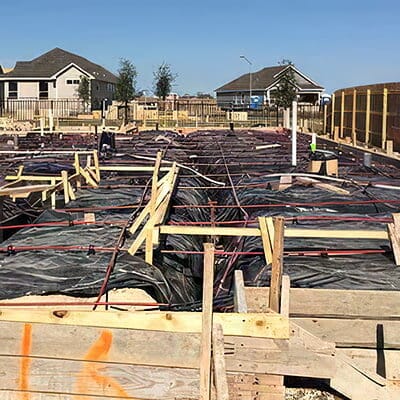
The skilled trades workforce is shrinking. That’s not a local problem; it’s national. But on the Northshore, where the construction market has been active for years, it shows up in scheduling. I’m not going to put an unfamiliar crew on one of my projects just to hit a date. The subcontractors I use have been in my rotation long enough that I know their work and they know my standards. Sometimes that means waiting a week or two for a framing crew or a tile setter to free up.
It’s a trade-off I make consciously. A faster timeline with an unfamiliar crew is a false economy. Callbacks, rework, and quality issues cost more time and money than a short scheduling gap ever will.
What You Can Do Right Now to Keep the Timeline on Track
The single most effective thing you can do to protect your custom home timeline is make selections early. Every selection you lock in before we break ground is one less potential stopping point during the build. Plumbing fixtures, lighting, cabinets, flooring, countertops, millwork, exterior finishes, paint colors: get them done. All of them.
The second thing is less obvious but just as important: hire your contractor before your plans are drawn. Most people think the sequence is design first, then find a builder. I’d flip it. Get me involved while the plans are still on the table, literally. I can help your architect avoid details that are difficult or expensive to build in Louisiana’s climate and code environment, flag anything that might create permit complications, and give you real cost feedback before the design is locked in. That kind of early involvement consistently produces better outcomes and fewer surprises later in the process.
A few other things that help:
- Respond quickly to questions from your builder. During the build, questions come up constantly. A client who responds to a text or email within a few hours keeps the job moving. A client who takes a week to respond to a finish question can stall a crew.
- Have your lot purchase documented and clear before you start. The cash sale document is a permit requirement. If your title isn’t clear, that becomes a permitting delay.
- Start your construction loan application early. In parallel with your plan development, not after.
- Verify your builder’s license before you sign anything. Louisiana requires residential contractors to hold an active license with the Louisiana State Licensing Board for Contractors. It takes two minutes to look it up.
How Often Does the Timeline Actually Hold?
I tell people 8 to 10 months from groundbreaking, and we hit that mark on roughly 90% of the projects we build. The ones that run past it almost always trace back to one of the three factors above, and in most cases, the client can see it coming before it happens.
The builds that go smoothest are the ones where the owner comes in prepared, makes decisions quickly, and stays engaged throughout. I’ve had projects where everything clicked: selections were done before we started, the owner responded to questions fast, and we had weather on our side. Those projects finished ahead of schedule.
The more variables you resolve before we break ground, the more predictable your custom home timeline becomes. That’s not a guarantee. Building a custom home involves real materials, real weather, and real people. But it is the closest thing to one I can offer.
A Note on Building on the Northshore Specifically
Building in St. Tammany Parish has a few wrinkles that affect the custom home timeline in ways that national build-time estimates don’t capture. If your lot is in a flood zone, the FEMA elevation certificate requirement adds to the permit package and may require additional foundation engineering. Hurricane wind load standards affect structural design in ways that add steps to the drawing and review process.
None of these are dealbreakers. They’re just realities of building in this specific market. A builder who doesn’t know them is going to run into them mid-project. A builder who does can plan around them from day one.
If you want to understand what a realistic custom home timeline looks like for your specific lot and situation, reach out. The first conversation is just that: a conversation. No commitment, no pitch, just an honest look at what building would actually involve for you.
West Custom Homes builds across the Northshore, including Mandeville, Covington, Madisonville, and Abita Springs, as well as Metairie and the Greater New Orleans area. And if you’re trying to wrap your head around what a custom build is actually going to cost before you even think about how long it takes, I put together a breakdown of what actually drives custom home construction costs in Southeast Louisiana that covers the global, national, and regional factors behind the numbers.